

The U.S. city cores that once defined vibrant urban life are now beginning to show signs of a quiet, gradual decline. While downtowns still look alive from a distance—glowing skylines, bustling game nights, and crowded social media feeds—the reality on the ground tells a different story.
In 2025, more city centers are entering a “death spiral,” a phase where the energy and foot traffic that once defined these areas are starting to fade. This shift is subtle, but its effects are measurable. From rising office vacancies to retail closures and higher carrying costs, urban centers are becoming quieter, and it’s important to understand what’s happening before headlines catch up.
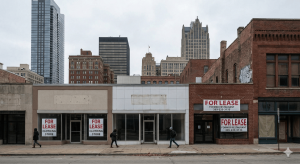
Why This Market Matters
Downtown areas are the lifeblood of urban economies, supporting office spaces, retail, and residential properties. When demand for these spaces drops, it sends ripples through the local economy, affecting everything from small businesses to property values. The term “downtown death spiral” might sound dramatic, but it’s a real phenomenon where the gradual thinning of urban activity leads to a cascade of consequences.
Understanding the early signs of this decline is crucial for buyers, sellers, and investors. It’s not about predicting a crash but recognizing the changing dynamics and responding before the full picture emerges.
Key Warning Signals and Data Context
The signs of a downtown death spiral often begin before anyone is willing to acknowledge it. The key indicators include:
-
Declining foot traffic: Sidewalks once filled with people now feel quieter, especially on weekdays.
-
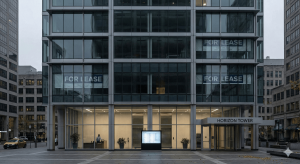
Rising office vacancies: Hybrid work trends have left office buildings underoccupied, contributing to reduced weekday activity.
-
Retail closures: Fewer people are shopping during weekdays, forcing retailers to shorten hours or close altogether.
-
Lease concessions: Apartment and office spaces that once commanded premium rents are now offering discounts and incentives to attract tenants.
These subtle shifts are crucial to track, as they signal deeper issues in downtown economies that may not be immediately obvious.
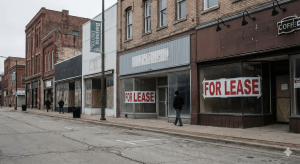
10 Downtown Archetypes Entering the Death Spiral
Here are ten city core archetypes where the death spiral is already underway or could soon be imminent. These archetypes highlight key patterns that show when downtowns are slipping into decline.
1. Tourism-Dependent Cores
Some downtowns were built on tourism, where hotels, restaurants, and entertainment drove foot traffic. As travel fluctuates, these areas are left with underoccupied hotels, slower restaurants, and a lack of steady weekday demand.
2. Office-Heavy Cores
Downtowns with a high concentration of office buildings are seeing rising vacancies. The shift to hybrid work has caused many workers to stay home, leading to a decrease in weekday foot traffic and demand for office space.
3. Overbuilt Luxury Cores
Luxury developments once sold as status symbols are now facing higher vacancies. The market has caught up, and with fewer residents committing, developers are offering concessions to fill spaces.
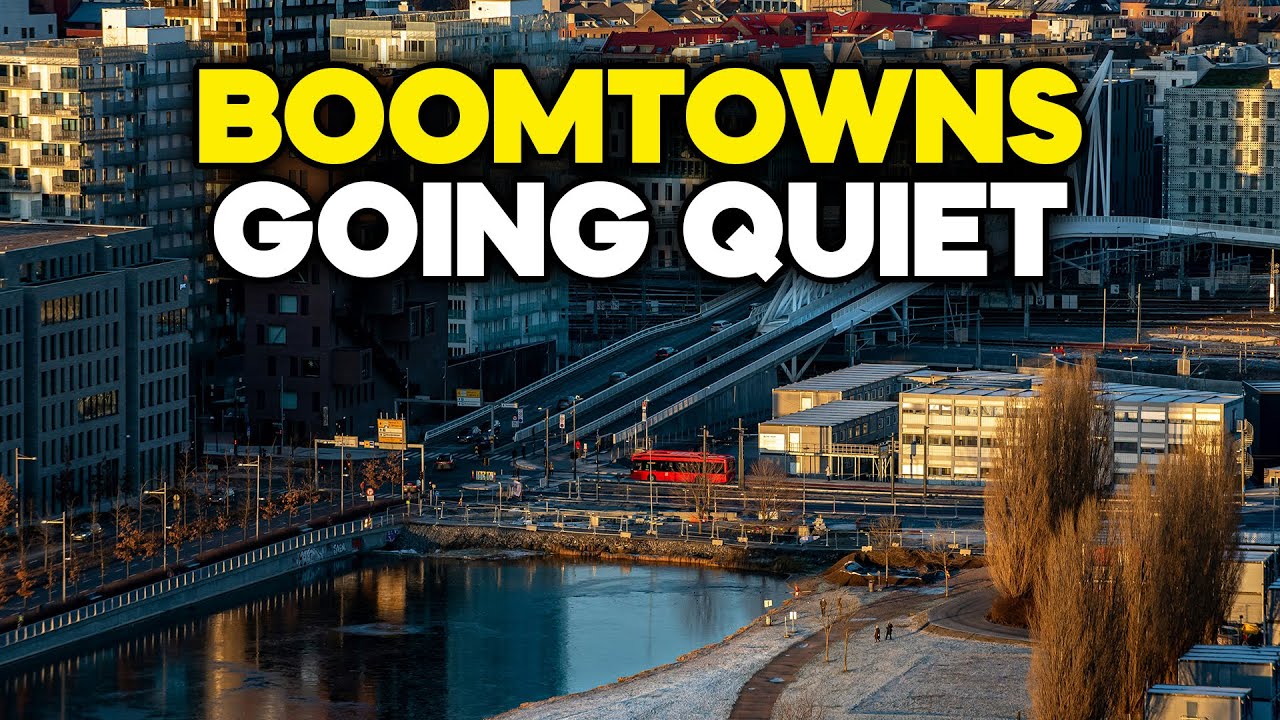
4. Transit-Centered Cores
These downtowns rely on robust public transportation systems to keep people moving. When ridership drops and services are reduced, the area becomes less accessible, further discouraging foot traffic and retail activity.
What This Means for Buyers
If you’re considering buying property in a downtown area, it’s essential to pay attention to the subtle signals of a shifting market. As demand cools, buying opportunities may emerge, but it’s important to approach these markets with caution:
-
Watch for price reductions: Listings may linger longer than usual, leading to potential price drops.
-
Consider long-term viability: While some downtowns may rebound, others may continue to struggle as demand remains low.
-
Focus on value, not just location: Ensure the property you’re buying makes sense financially, considering rising costs and less predictable demand.
What This Means for Sellers
Sellers in downtown areas need to adjust their expectations and pricing strategies. The once-high demand for urban properties has diminished, and properties now require more time to sell:
-
Be realistic about pricing: Avoid overpricing, as this can lead to longer days on market and fewer offers.
-
Offer incentives: Sellers can attract buyers by offering incentives such as closing-cost credits or rate buydowns.
What This Means for Investors
For investors, the downtown death spiral signals a shift in how properties should be evaluated. The high returns seen in the past may not be sustainable, and it’s crucial to adapt investment strategies:
-
Focus on cash flow: Prioritize properties that offer solid cash flow, not just speculative growth.
-
Re-evaluate investments in luxury or office-heavy areas: These properties may face longer vacancy periods and higher turnover rates.
-
Factor in rising costs: Be aware of rising property taxes, insurance, and HOA fees that could impact your returns.
Final Takeaways: Understanding the Downtown Death Spiral
Downtowns are not disappearing—they’re evolving. The signs of a death spiral are subtle, but once you know what to look for, you can make more informed decisions. Buyers, sellers, and investors all need to adapt to the changing dynamics of urban real estate in 2025.
For more insights, watch the full video breakdown on our Discover the State YouTube channel.
FAQ Section
Q1: Is it a good time to buy property downtown in 2025?
It depends on the market. If the downtown area shows signs of a death spiral—like reduced foot traffic and rising vacancies—it may be better to wait until prices adjust.
Q2: How can I tell if my downtown is experiencing a death spiral?
Look for signs like rising office vacancies, retail closures, increasing lease concessions, and reduced weekday activity.
Q3: What should sellers do in a downtown with declining demand?
Sellers should price realistically, offer incentives, and be prepared for longer selling times. It’s important to adjust expectations based on current market conditions.
Q4: How are downtown investors adjusting to the current market?
Investors are focusing more on cash flow properties and being cautious about luxury and office-heavy areas. Rising costs and vacancy rates are causing investors to rethink their strategies.
Q5: Are all downtowns in the U.S. in a death spiral?
No, not all downtowns are experiencing this shift. However, many cities with high office dependency and luxury overbuilding are seeing signs of slowing demand and vacancy increases.



No Comments